 English
 Italian
 Spanish
 Turkish
 Portuguese
 Dutch
Dutch Korean
 Russian
 French
 German
 Polish
 Arabic
 Hindi
HindiWhy Are Portable Smart TVs Becoming the Preferred Entertainment Solution for Modern Lifestyles?
The way people consume content has changed dramatically over the past decade. Traditional television viewing was once centered around a fixed screen placed in a living room, connected to cable services and limited to a single location. Today, entertainment is increasingly driven by streaming platforms, wireless connectivity, mobile devices, and flexible living arrangements.
Modern households often expect entertainment systems to move with them throughout the day. A screen that works in the living room during the afternoon may be needed in a home office for a video conference, moved to a bedroom for evening streaming, or even taken outdoors for a gathering with family and friends. As living spaces become more multifunctional, consumers are looking for display solutions that offer greater flexibility than conventional televisions.
This shift has contributed to the rapid growth of the portable smart TV market. Combining smart operating systems, wireless networking, streaming capabilities, and mobility features, these devices bridge the gap between traditional televisions, tablets, and portable displays. They provide users with a versatile entertainment experience that adapts to changing lifestyles rather than requiring people to adapt to fixed equipment.
For consumers, portable smart televisions offer convenience and freedom. For retailers, distributors, and brand owners, they represent one of the fastest-growing categories within the home entertainment sector. As demand for mobile lifestyles and smart home devices continues to rise, portable smart TVs are becoming an increasingly important part of the modern entertainment ecosystem.
What Is a Portable Smart TV?
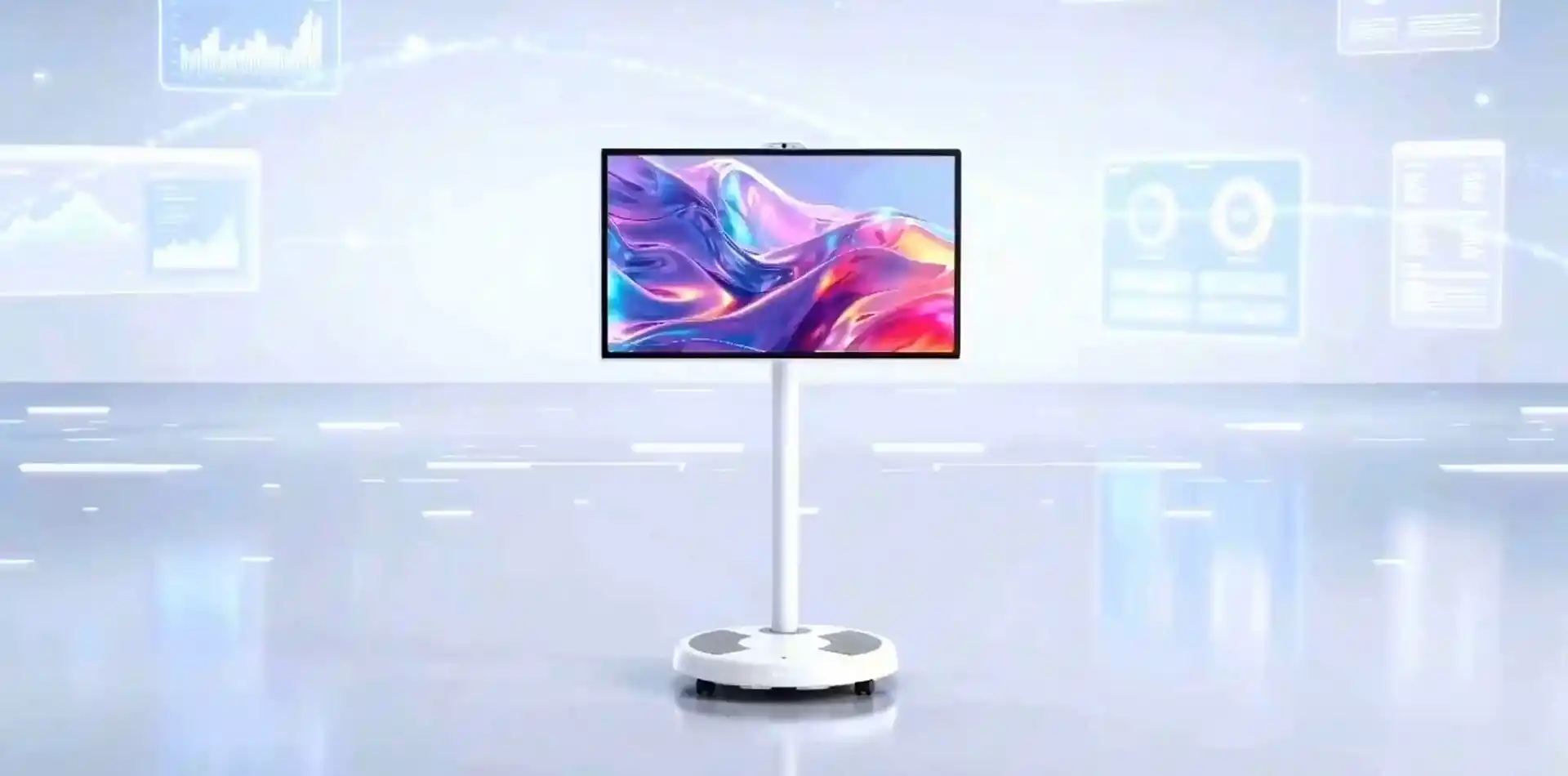
A portable smart TV is a movable display device that combines the functionality of a smart television with the flexibility of a portable screen. Unlike traditional televisions that are designed for permanent installation, a portable smart television can be easily relocated between rooms or used in multiple environments without complicated setup procedures.
Most models integrate a smart operating system that provides direct access to streaming services, online content, applications, and wireless communication features. Depending on the product configuration, users may also benefit from built-in batteries, touchscreen displays, adjustable stands, and mobile-friendly designs.
The core purpose of a portable smart TV is simple: provide a full entertainment experience wherever users need it.
Several features distinguish these products from conventional televisions:
| Feature | Traditional TV | Portable Smart TV |
|---|---|---|
| Mobility | Limited | High |
| Wireless Connectivity | Partial | Extensive |
| Battery Operation | No | Available on Many Models |
| Flexible Placement | Limited | Excellent |
| Streaming Integration | Varies | Built-In |
| Multi-Room Usage | Difficult | Easy |
Rather than being restricted to a single room, a portable display solution can follow users throughout their daily activities, supporting entertainment, productivity, communication, and education.
Key Features That Make Portable Smart TVs Different
Built-In Smart Operating System
One of the most important characteristics of a portable smart TV is its integrated operating system.
Modern devices commonly support:
●Android TV
●Google TV
●Customized Smart TV Platforms
●Streaming Application Ecosystems
Users can access popular streaming entertainment services directly from the device without requiring external media boxes or additional hardware.
Built-in smart platforms typically support:
●Netflix
●YouTube
●Disney+
●Prime Video
●Hulu
●Regional streaming applications
This integration simplifies setup while improving the overall user experience.
Wireless Connectivity
Wireless functionality plays a major role in the appeal of portable smart televisions.
Common connectivity options include:
●WiFi
●Bluetooth
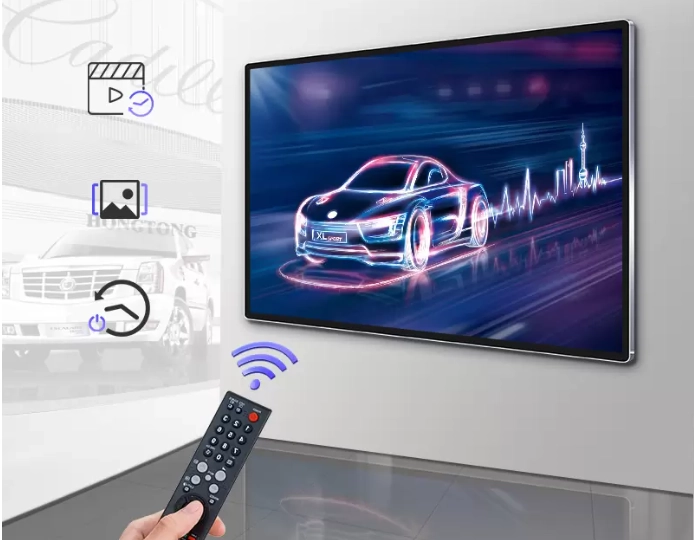
●Screen Mirroring
●Wireless Casting
●Mobile Device Pairing
Instead of relying on extensive cable connections, users can quickly access online content or mirror content from smartphones, tablets, and laptops.
Wireless smart TV functionality also supports modern smart home ecosystems, making integration with connected devices easier than ever.
Battery-Powered Mobility
Many premium models now include rechargeable battery systems.
A battery powered smart TV offers several practical advantages:
●Operation without continuous power supply
●Easier room-to-room movement
●Temporary outdoor use
●Greater installation flexibility
This feature is particularly attractive for consumers seeking portable entertainment screens that can adapt to changing environments.
Adjustable Stand and Flexible Viewing Angles
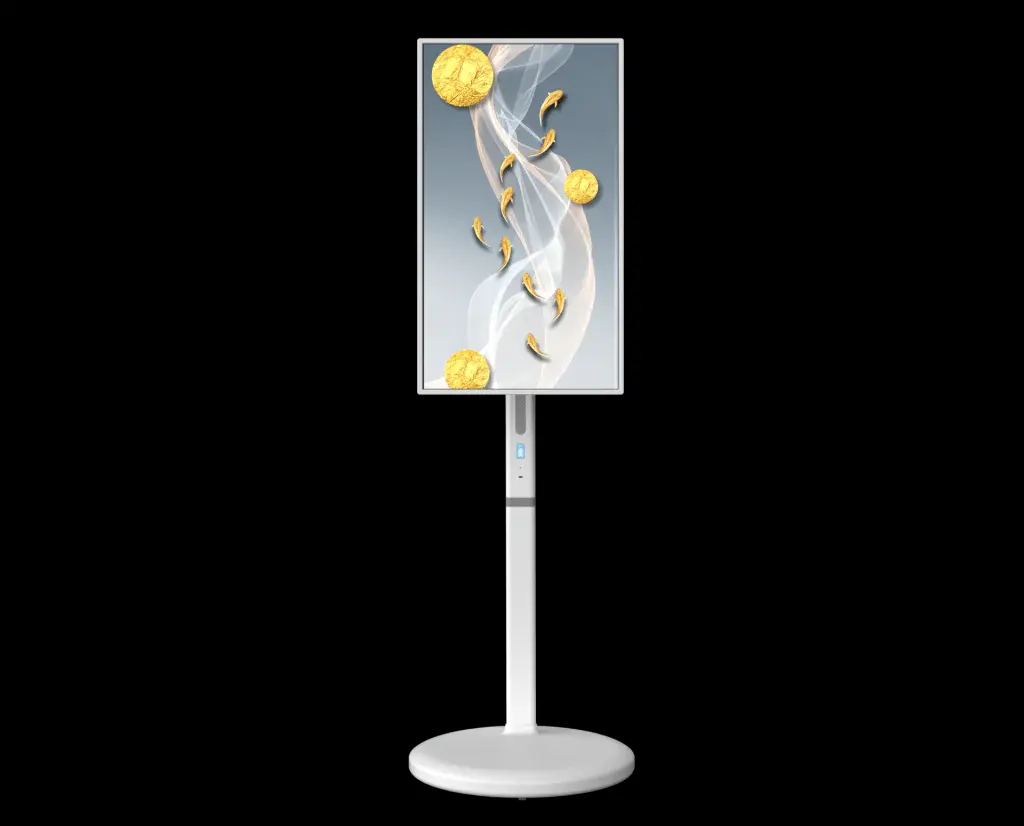
A portable TV with stand provides viewing flexibility that traditional televisions often cannot match.
Adjustable stand systems allow users to:
●Change screen height
●Adjust viewing angles
●Rotate displays
●Switch between portrait and landscape modes
This flexibility supports various applications including entertainment, productivity, video conferencing, and educational activities.
Common usage locations include:
●Bedrooms
●Living rooms
●Kitchens
●Home offices
●Study areas
The ability to reposition the display quickly makes the device useful throughout the day.
Where Can a Portable Smart TV Be Used?
The versatility of portable smart TVs is one of the primary reasons for their growing popularity.
Home Entertainment
Home entertainment remains the largest application category.
Families use portable smart TVs for:
●Streaming movies
●Television series
●Online video content
●Family viewing sessions
Because the display can move between spaces, a single device may serve multiple rooms without requiring additional televisions.
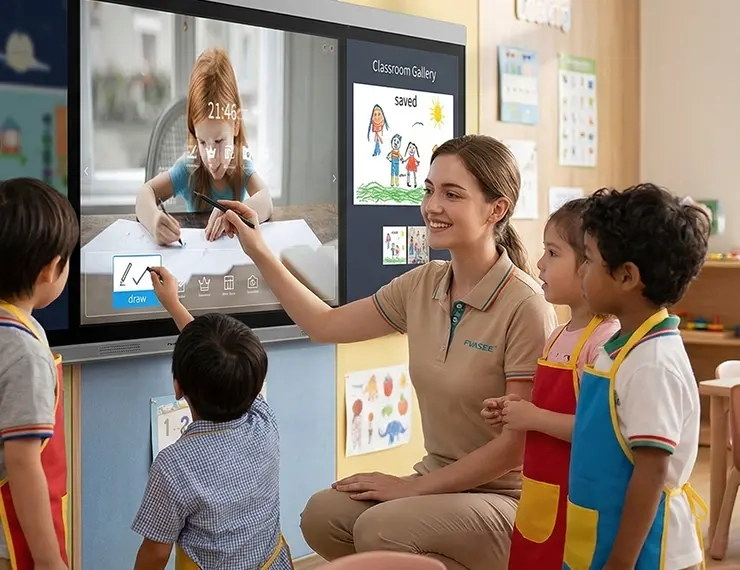
Portable smart TVs also support video conferencing, remote communication, and online learning activities.
Bedroom and Personal Spaces
Many consumers prefer a smart TV for bedroom environments because it provides entertainment without permanently dedicating space to a wall-mounted television.
Portable units can be moved into the room when needed and relocated elsewhere afterward.
This approach supports:
●Evening entertainment
●Personal streaming
●Reading and media consumption
●Private viewing experiences
Camping and Outdoor Activities
The rise of outdoor lifestyles has created demand for portable displays beyond the home.
A portable TV for camping can provide entertainment during:
●Camping trips
●RV travel
●Backyard gatherings
●Outdoor movie nights
When combined with battery operation and wireless connectivity, these devices become practical companions for mobile entertainment.
Commercial Applications
Business users are increasingly discovering value in movable smart TV solutions.
Commercial applications include:
●Hotel guest services
●Retail product demonstrations
●Trade show displays
●Meeting room presentations
●Showroom marketing
Portable displays reduce installation complexity while increasing flexibility.
Benefits of Choosing a Portable Smart TV
The growing popularity of portable smart TVs is not simply the result of changing consumer preferences. These products solve several practical challenges that traditional televisions cannot address effectively.
For both residential users and commercial buyers, flexibility has become a major purchasing factor. A display that can perform multiple functions in multiple environments often provides greater value than a fixed television system.
Greater Flexibility for Modern Living
Living spaces are evolving.
Many households no longer dedicate a single room exclusively to entertainment. Apartments, shared living spaces, home offices, and multifunctional rooms require technology that can adapt to changing needs.
A portable smart TV allows users to:
●Watch streaming content in different rooms
●Move displays between work and entertainment areas
●Share one device across multiple family members
●Adjust viewing positions throughout the day
Instead of purchasing several televisions for different locations, consumers can maximize the use of a single device.
Space-Saving Design
Space efficiency has become increasingly important, particularly in urban environments.
Wall-mounted televisions often require permanent installation, dedicated furniture, and fixed positioning. Portable smart TVs eliminate many of these requirements.
Benefits include:
●Reduced furniture requirements
●Cleaner room layouts
●Less wall modification
●Easier relocation
For apartment residents and small households, a movable smart TV can deliver substantial practical advantages.
Easy Installation
Traditional televisions frequently require:
●Wall mounting
●Cable routing
●Permanent positioning
●Professional installation
●Portable smart televisions simplify deployment considerably.
Most units can be used immediately after connecting to WiFi and completing basic setup procedures.
This convenience is particularly valuable for:
●Rental properties
●Temporary accommodations
●Student housing
●Commercial demonstrations
Multi-Room Entertainment
One device can support multiple entertainment environments.
For example:
A family may use the screen in the kitchen during breakfast, move it to a home office for afternoon meetings, relocate it to the living room for evening streaming, and finish the day with bedroom entertainment.
This level of flexibility is difficult to achieve with conventional televisions.
Better User Experience
The combination of smart operating systems, wireless connectivity, and mobility improves overall usability.
Users gain access to:
●Streaming entertainment
●Cloud-based applications
●Video conferencing
●Educational platforms
●Smart home integration
The result is a display that functions as more than a television.
Wireless Freedom
Modern consumers increasingly prefer fewer cables and fewer hardware components.
A wireless smart TV minimizes dependence on:
●External streaming boxes
●Cable television hardware
●Long HDMI connections
●Fixed installation locations
This cleaner setup aligns with current smart home design trends.
Reduced Hardware Requirements
Many portable smart televisions combine the functions of several devices.
A single unit may replace:
Traditional television
Streaming media player
Secondary monitor
Presentation display
Portable entertainment screen
This consolidation can reduce overall equipment costs while simplifying daily use.
What Should Buyers Consider Before Purchasing?
Not all portable smart TVs are designed for the same applications.
Consumers, distributors, and procurement professionals should evaluate several factors before making purchasing decisions.
Display Size
Screen size directly affects viewing comfort and portability.
Smaller displays offer:
●Easier transportation
●Greater flexibility
●Lower weight
Larger displays provide:
●Improved immersion
●Better visibility
●Enhanced group viewing
The ideal size depends on intended usage scenarios.
Resolution
Display quality remains a major purchasing factor.
Common options include:
| Resolution | Typical Use Case |
|---|---|
| HD | Basic Viewing |
| Full HD | General Entertainment |
| 2K | Enhanced Detail |
| 4K UHD | Premium Streaming and Commercial Applications |
Higher resolutions improve image clarity but may also increase power consumption.
Battery Life
For models featuring battery operation, runtime becomes a critical specification.
Buyers should evaluate:
●Typical playback duration
●Charging speed
●Battery capacity
●Real-world performance
Longer battery life expands potential use cases, particularly for outdoor activities and mobile environments.
Operating System
The operating system determines application compatibility and user experience.
Popular options include:
●Android TV
●Google TV
●Proprietary Smart Platforms
When evaluating systems, buyers should consider:
●Application availability
●Software update support
●Interface usability
●Streaming compatibility
Connectivity Options
Connectivity flexibility significantly influences product value.
Important features include:
●Dual-band WiFi
●Bluetooth
●USB ports
●HDMI input
●Screen casting support
These options improve compatibility with other smart home devices and external equipment.
Audio Performance
Audio quality can vary substantially between models.
Factors worth evaluating include:
●Speaker output
●Sound clarity
●Bass performance
●Bluetooth audio support
Some users may choose external speakers, while others prefer integrated audio solutions.
Touchscreen Functionality
Certain portable Android TV models include touchscreen displays.
Touch interaction may improve usability for:
●Presentations
●Educational environments
●Interactive content
●Commercial applications
Although not necessary for all users, touchscreen capability can expand device functionality.
Mobility Design
Mobility extends beyond portability alone.
Buyers should evaluate:
●Weight
●Stand stability
●Rotation capability
●Height adjustment
●Transport convenience
A portable TV with stand should remain stable while allowing easy repositioning.
Why Portable Smart TVs Are Gaining Popularity Worldwide
Several market trends continue to support growth within the portable smart TV category.
Smart Home Development
Smart homes continue to expand globally.
Consumers increasingly expect devices to communicate seamlessly across connected ecosystems.
Portable smart TVs integrate naturally with:
●Smart lighting
●Voice assistants
●Home automation systems
●Wireless networks
This compatibility strengthens their appeal among technology-focused households.
Flexible Living Spaces
Housing trends continue shifting toward more flexible room usage.
A single room may function as:
●Workspace
●Entertainment area
●Study room
●Exercise space
Movable displays support these changing requirements more effectively than fixed televisions.
Remote Work Culture
Remote and hybrid work arrangements remain common across many industries.
Portable displays can support:
●Video meetings
●Presentations
●Collaborative work
●Productivity applications
This dual-purpose functionality increases perceived value.
Streaming Media Growth
Streaming entertainment continues to dominate content consumption.
Consumers increasingly prioritize:
●On-demand viewing
●Personalized content
●Cross-platform access
Portable smart televisions are designed specifically to support these behaviors.
Mobile Lifestyle Demand
Mobility is no longer limited to smartphones and tablets.
Consumers increasingly seek flexibility across all technology categories.
A portable smart television aligns naturally with:
●Travel lifestyles
●Multi-location usage
●Outdoor activities
●Flexible entertainment preferences
As mobility expectations continue to evolve, demand for adaptable display solutions is likely to increase.
The entertainment landscape has changed significantly as consumers seek greater flexibility, convenience, and connectivity in their daily lives. Traditional televisions continue to serve important roles, but fixed installations often struggle to meet the demands of modern living spaces, mobile lifestyles, and multi-purpose environments.
A portable smart TV combines smart operating systems, wireless connectivity, streaming entertainment access, and movable design into a single display solution. Whether used in a living room, bedroom, home office, campsite, hotel suite, retail environment, or presentation space, these devices provide a level of versatility that conventional televisions rarely achieve.
For consumers, the benefits include greater freedom, simplified installation, improved user experiences, and the ability to enjoy content wherever it is most convenient. For distributors, retailers, and brand owners, portable smart televisions represent a growing category driven by smart home adoption, streaming media growth, and changing lifestyle expectations.
As technology continues to evolve, the portable smart TV is becoming far more than an alternative television. It is increasingly viewed as a flexible display platform designed to support entertainment, communication, productivity, and digital lifestyles in a connected world.